DIY vs Professional Pressure Cleaning: Costs and Risks
Pressure cleaning can remove built-up grime, algae and slippery surface growth from driveways, paths and outdoor areas. But is hiring a machine cheaper than booking a professional? For Maryborough homeowners, the answer depends on the surface, the size of the job and the potential cost of getting it wrong.
DIY can suit small, straightforward areas of sound concrete. Professional cleaning is often the safer option for delicate surfaces, extensive growth, difficult access or work involving heights.
What Does DIY Pressure Cleaning Cost?
As a rough budgeting guide, pressure washer hire may cost around A$80–A$200 per day, depending on the machine and supplier. These figures are indicative, not confirmed Maryborough prices for 2026. Check current availability, deposits and inclusions before booking.
The hire fee is only part of the expense. You may also need cleaning products, protective equipment, transport and a surface-cleaner attachment. Allow time to collect the equipment, prepare the area, clean it and return the machine.
A domestic pressure washer can handle light maintenance, but lower water flow often means slower cleaning. Comparing machines by pressure alone can be misleading: water flow, nozzle selection and surface compatibility also matter.
What Does Professional Pressure Cleaning Cost?
Professional pricing varies with the area, condition, access and cleaning method. A small residential job may cost a few hundred dollars, while extensive paving, heavy contamination or specialist treatment can cost considerably more. Minimum call-out charges may apply.
Request a written, site-specific quote rather than relying on a square-metre price alone. Ask whether it includes pretreatment, moving light furniture, managing runoff and any necessary post-treatment. Oil stains, rust and tyre marks may require separate treatment, and complete removal is not always possible.
A professional service can offer better productivity and more consistent results, but equipment alone does not guarantee quality. Experience, suitable methods and clear insurance arrangements are just as important.
The Main Risks of DIY Pressure Cleaning
Permanent Surface Damage
Excessive pressure or an unsuitable nozzle can etch concrete, dislodge paving sand, splinter timber and strip coatings. Older or deteriorating surfaces need particular care. New concrete should meet the installer’s curing and cleaning requirements before pressure washing.
Test an inconspicuous section first and follow the equipment and surface manufacturers’ instructions. Do not assume that moving the nozzle closer will safely remove a stubborn stain.
Injuries, Electrical Hazards and Falls
A pressure washer jet can cause serious injection injuries. Never direct it towards people or pets, and seek urgent medical attention for a pressure-injection wound, even if it looks minor.
Wear enclosed, slip-resistant footwear and eye protection. Keep electrical connections dry and use appropriate RCD protection. Never operate petrol-powered equipment indoors or in enclosed spaces. Avoid pressure washing from a ladder: recoil and slippery conditions create a substantial fall risk.
https://pressurecleaningmaryborough.com.au/solar-panel-cleaning/
Water Intrusion and Hazardous Materials
High-pressure water can enter gaps around windows, doors and cladding. Do not pressure clean suspected asbestos-containing materials. In Queensland, high-pressure water cleaning of asbestos-containing material is prohibited. Arrange an assessment if older sheeting or roofing could contain asbestos.

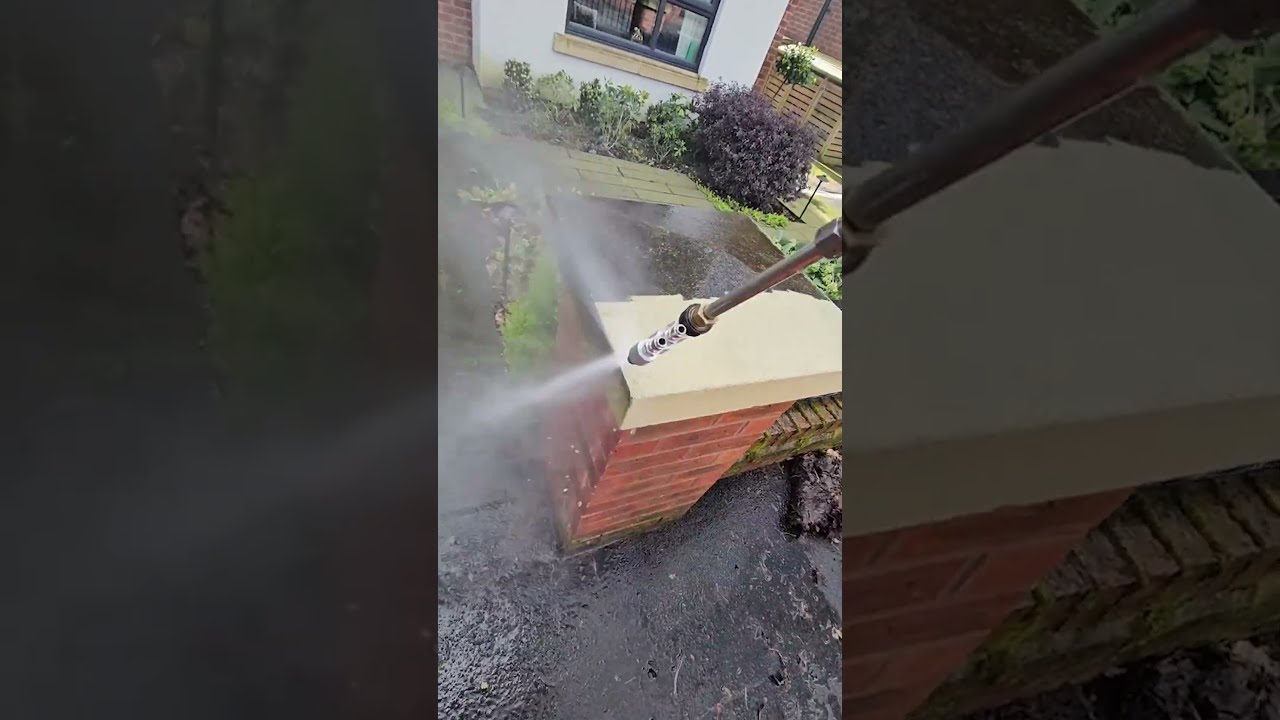
Maryborough Conditions and Runoff
In Maryborough, Queensland, humid weather and shaded outdoor areas can encourage algae and other surface growth. Cleaning can improve traction, but recurring growth may also require attention to drainage, shade and accumulated leaf litter.
Plan where wastewater will go before starting. Do not allow detergent, oil, paint debris or contaminated wash water to enter stormwater drains. Check current Fraser Coast Regional Council guidance and any water restrictions, and ask contractors how they contain and dispose of runoff.
When Is a Professional Worth It?
- Consider DIY: A small, accessible area of sound, uncoated concrete with light dirt and manageable runoff.
- Choose specialist help: Roofs, fragile surfaces, significant staining, large areas or locations near sensitive landscaping and drainage.
- Check before booking: Relevant public liability insurance, the proposed cleaning method, exclusions and wastewater arrangements.
For delicate exterior surfaces, soft washing may be more appropriate than high pressure, although cleaning chemicals still require careful handling. Compare the full DIY expense with a written professional quote. The best-value option is the one that cleans effectively without creating damage, injury or an expensive repair bill.
Maryborough Pressure Cleaning
(07) 4120 7141